


by Roberta McCarty
“We travel not to escape life, but for life not to escape us.” – Anonymous
In our younger, more adventurous years, we thought nothing of hitting the open road with a backpack, a toothbrush, and no plans set in stone. However, at this point in our lives, we now appreciate a well-researched plan that will ensure our comfort and safety while satisfying our interest in seeing new sights.
Whether you are travelling solo, as a couple or as a larger group, here are a few tips to consider:
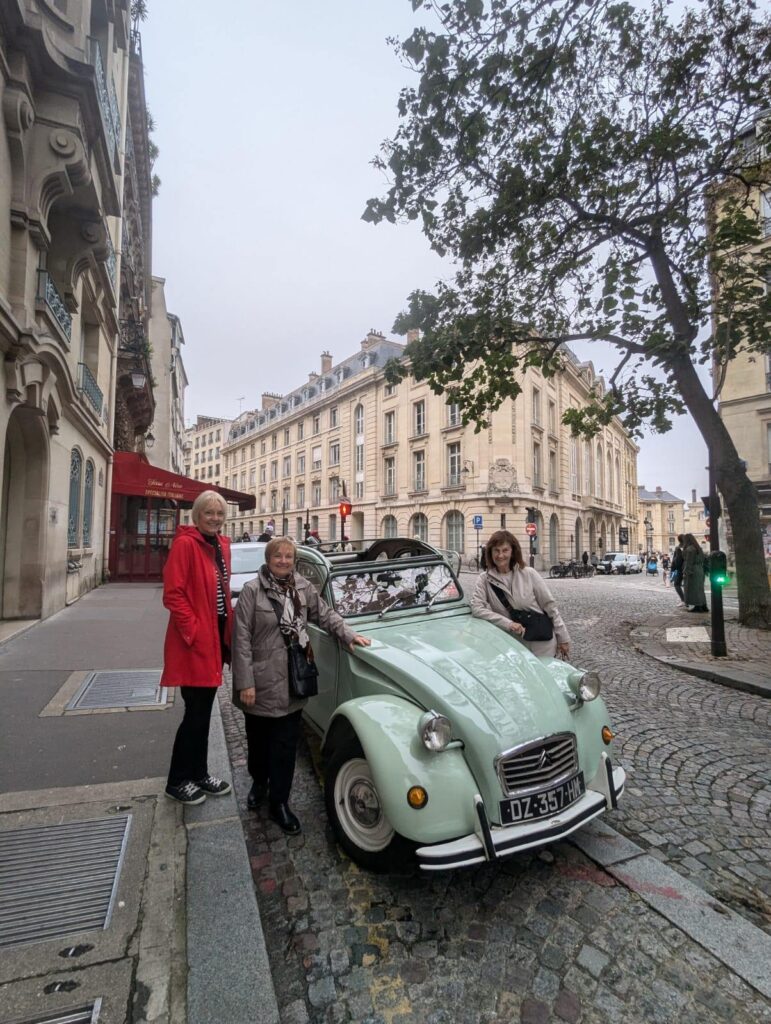
Plan for your destination
• When travelling out of country, make sure your passport is valid for at least 6 months beyond your return date to Canada.
• Research your destination for visa or medical requirements (ex. do you need to provide proof of up-to-date vaccinations).
• Research your destination online. Check out blogs offering first-hand travel experiences and recommendations. Watch videos on YouTube that show a walking tour of your destination. Search for recent reviews of accommodations you’re considering. Look for Facebook travel groups specific to your destination.
• Check your local library for guide books as they can provide a more in-depth look with detailed advice and insider tips.
• Visit a local travel agent as they can help by overseeing the trip details, accessing the best possible rates and options, and they can also advocate for you if any unexpected issues arise.
• Purchase local currency for making cash payments and bring the proper electrical chargers or adapters so your devices are compatible with local outlets.
• If planning a cruise, check the discussion board at CruiseCritic.com.
• If planning for Europe, check the Travel Forum at RickSteves.com.
Plan for comfort
• Book a non-stop flight, if possible. It may cost more but in the long run it reduces travel fatigue and airport stress. It also avoids the chance of a missed connection, as I experienced on a recent trip to Italy.
• Pack light. If possible, take a carry-on bag rather than checked. If you do have a checked bag, be sure to keep all medication in their original containers with you in a carry-on. If you wear hearing aids, bring spare batteries. If you wear contact lenses, keep your entire supply with you.
• If you have mobility issues, request a wheelchair for transporting you through the airport. Make sure your hotel has an elevator if you have difficulty climbing stairs.
• Stay hydrated on the flight (preferably water). On long flights, to avoid blood clots, get up and walk around occasionally. Exercise and stretch your ankles and legs while seated, and invest in a good pair of compression socks.
• To avoid jet-lag, don’t plan anything for the first day and focus on acclimating to your new location. Eat at your usual meal time in the new time zone. Take a walk for some fresh air. Retire at your usual bedtime in the new time zone.
• Book “skip the line” tickets in advance to avoid standing in line (sometimes for hours at major museums).
• Don’t try to do it all. Some of the best memories can be of the time you skipped the tour and enjoyed the afternoon at an outdoor café with a good book and an abundance of people-watching.
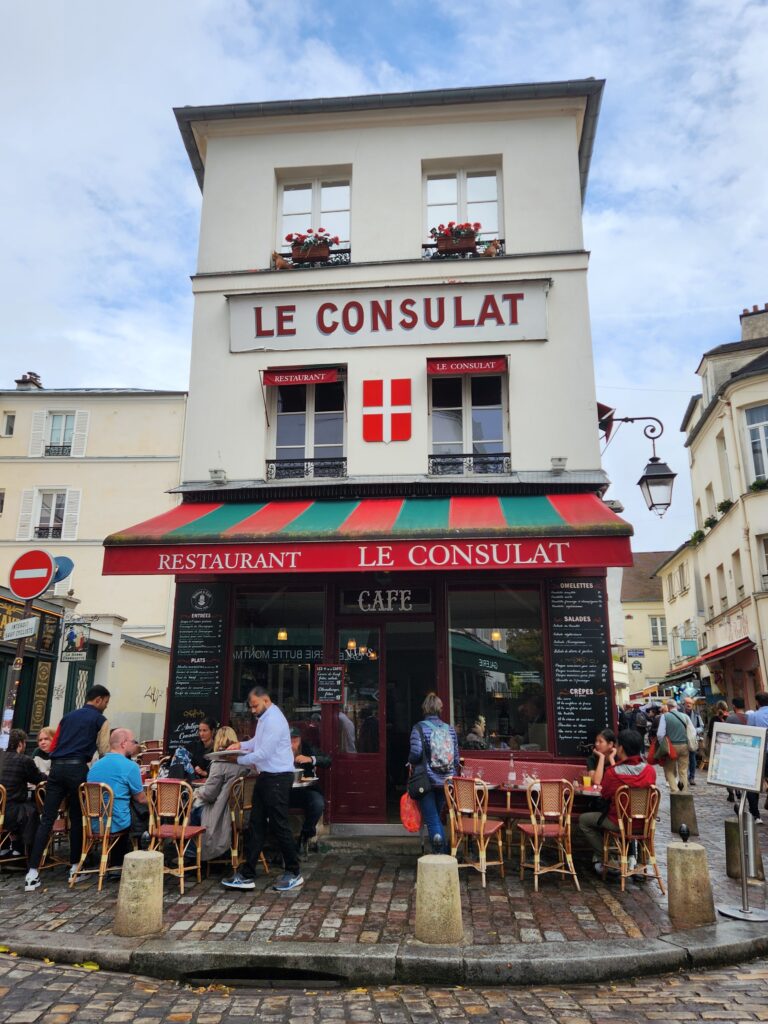
Plan for health and safety
• Never leave the country without out-of-country medical insurance. IMPORTANT: Be sure to check the stability clause in your out-of-country insurance, which is a set amount of time that pre-existing conditions must remain stable before your trip in order to be eligible for coverage. For example, if you have high blood pressure, the policy may state that your condition must be stable for 90 days before departure, meaning no medication changes, no new symptoms, and no hospital visits during that time, otherwise any related medical costs while traveling won’t be covered.
• Write down the contact information for the Canadian Embassy or Consulate in the country you will be visiting, in case of emergency.
• Tracking tags aren’t just for your luggage. Carry one in your purse or backpack so your family can pin-point exactly where in the world you are.
• Don’t display expensive jewelry or electronics to lessen the odds of being targeted by a pickpocket.
• Invest in a money belt and RFID (Radio Frequency Identification) blocking wallet. Criminals no longer need to actually take your wallet to obtain your personal information, and this will prevent them from wirelessly obtaining your credit card and passport information.
• Check the government of Canada website at travel.gc.ca to see if there are any travel advisories listed for your destination.
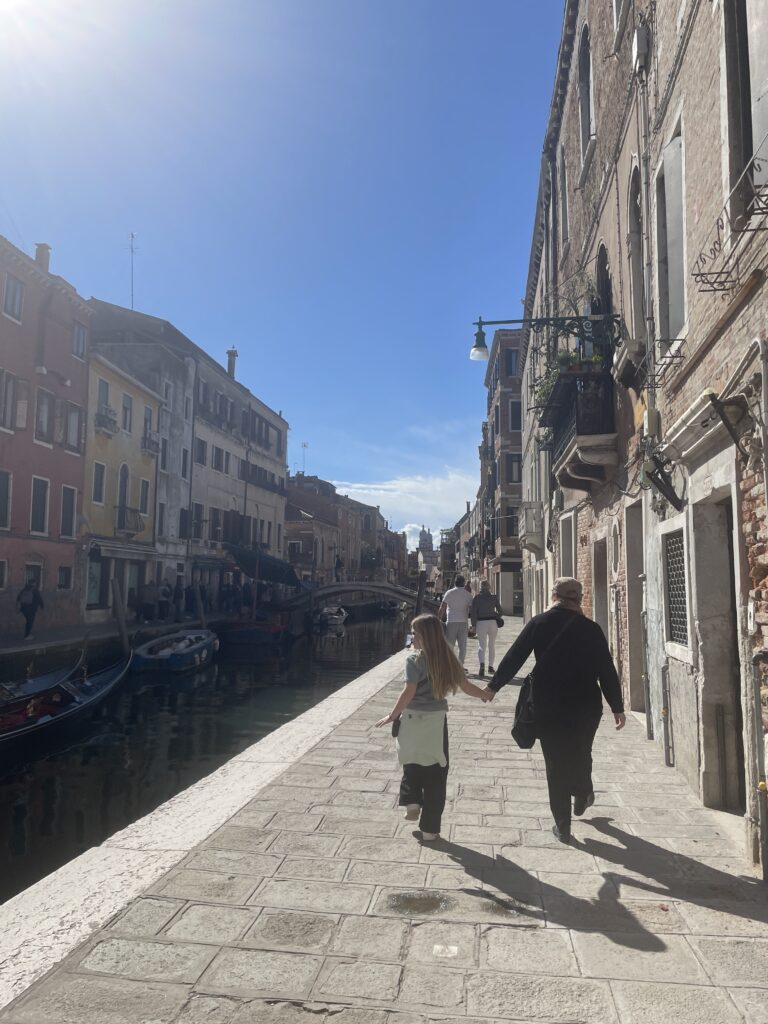
One final tip that I highly recommend — take a trip with your grandchildren.
Whether your travel across the county or across the ocean, make some memories with them that will last a lifetime.
Do it before it’s too late.
Take the trip!