


Six Easy Steps to Make a Smaller Home Feel Better
Downsizing isn’t just about moving into a smaller space, it’s about designing that space well. When square footage decreases, the role of interior design becomes even more important. When designed thoughtfully, a smaller home can feel calmer, more comfortable, and more personal than a larger one ever did.
For homeowners in Essex County, downsizing often means trading excess space for ease and not sacrificing warmth, character, or style.
1. Start with a clear vision
Before choosing furniture or finishes, it’s important to know how you want your new home to feel. Do you imagine it light and airy? Warm and cocooning? Quiet and understated?
This emotional statement becomes the filter through which every decorating decision is made. When the vision is clear, the home feels cohesive rather than pieced together.
Designing a smaller home is not about filling space — it’s about curating it.
2. Choose fewer, better pieces
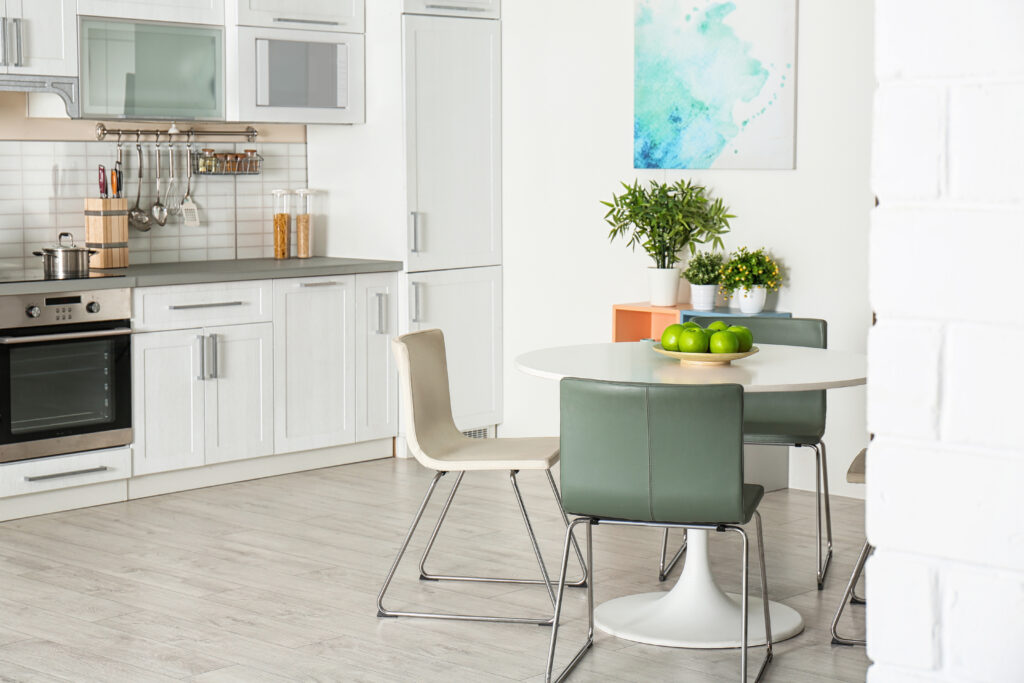
In downsized interiors, quality matters more than quantity. Instead of multiple small furnishings, opt for:
• One well-proportioned sofa rather than several chairs
• A dining table that suits everyday life, not rare occasions
• Case goods that provide closed storage and visual calm
Furniture should feel intentional, comfortable, and timeless. Pieces that earn their place bring a sense of calm to a space and reduce visual clutter.
3. Scale is everything
One of the most common decorating challenges in downsized homes is scale. Furniture that once worked in a larger house can easily overwhelm a smaller room. The solution isn’t going tiny, it’s choosing pieces with the right proportions.
Lower profiles, open bases, and lighter silhouettes allow rooms to breathe while still feeling grounded. When scale is right, a smaller room feels balanced, not tight.
4. Make storage disappear
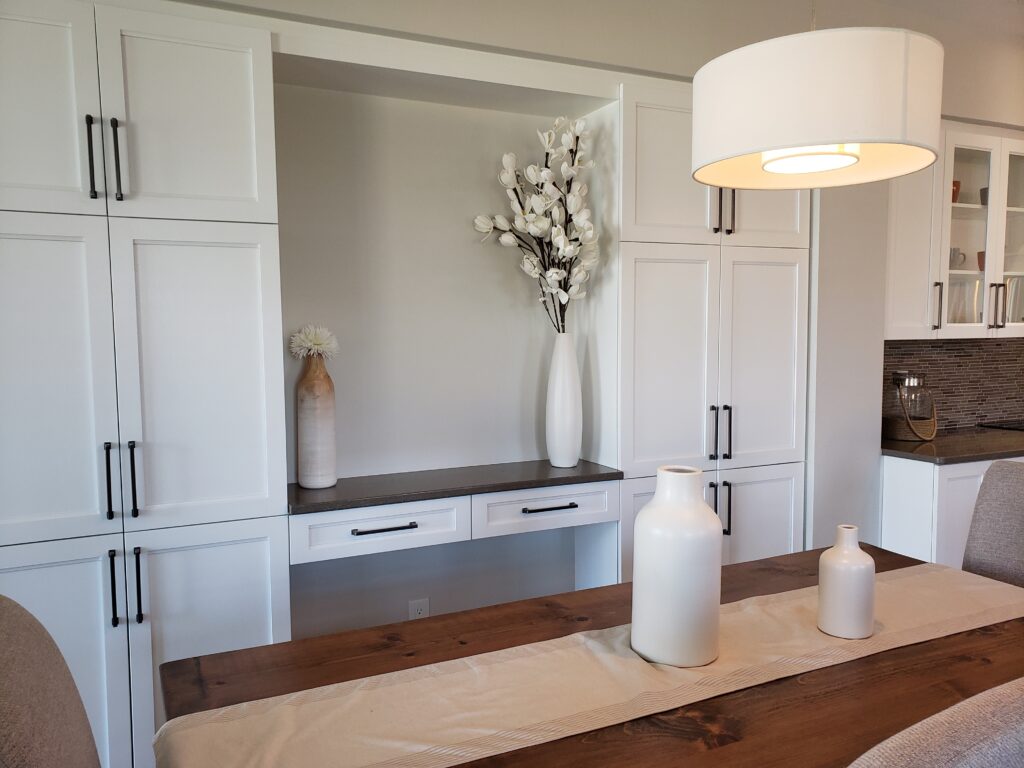
Thoughtful design makes storage feel invisible. Built-ins, custom cabinetry, and multi-functional pieces help maintain order without dominating the room. Closed storage allows everyday items to stay accessible yet out of sight, creating spaces that feel restful rather than busy.
In downsized homes, visual calm is just as important as physical function.
5. Layer comfort through materials and lighting
Decorating a smaller space does not mean keeping it simple or sparse. In fact, layering is what gives a downsized home its richness.
Soft textiles, warm woods, and tactile materials add depth. Lighting should be layered as well. Ambient, task, and accent lighting working together to create softness and flexibility throughout the day. These layers make a home feel cozy at every hour.
6. Edit with purpose, not pressure
Downsizing invites a more thoughtful approach to personal belongings. Rather than spreading meaningful pieces throughout a large home, a smaller space allows favourite objects, artwork, and heirlooms to be given proper presence. Each piece can be appreciated rather than absorbed into the background. Decorating becomes an act of storytelling — quiet, intentional, and deeply personal.
The most beautiful downsized homes don’t feel temporary or transitional. They feel complete.
When interiors are designed prioritizing comfort, proportion, and personal meaning, the result is a home that supports your life with ease and grace. Nothing feels too much. Nothing feels missing.
Downsizing, when approached through thoughtful interior design, becomes an opportunity to create a home that is not only smaller but better considered, beautifully lived in, and timeless.